
Our Experience Across Greater Hobart

We’ve been removing driveways across Greater Hobart for years now. Sandy Bay, Mount Nelson, North Hobart, Kingston—we’ve worked in pretty much every suburb. And here’s what we’ve learned: every driveway removal job is different. Some properties have easy access where we can bring in an excavator and have the whole thing done in a day. Others, especially those older homes with narrow side access, need a different approach.
What makes driveway removal tricky in Hobart is the terrain. We’re not working on flat blocks here. A lot of properties sit on slopes, some quite steep. There’s also the weather to think about—you don’t want to be halfway through a removal project when a week of rain rolls in. And then there’s what’s buried underneath: water mains, gas lines, electrical services. That’s why we always start with Dial Before You Dig, because the last thing anyone needs is a broken water main flooding your property.

What We Remove
When You Need Driveway Removal
Severe Cracking and Deterioration
Cracks happen. Small ones aren’t usually a problem, but when you’ve got cracks wide enough to fit your fingers in, or when they run the full length of your driveway, that’s telling you something. The concrete has reached the end of its life. Patching might buy you a year or two, but you’re really just delaying the inevitable.
Uneven Surfaces Creating Trip Hazards
When sections of your driveway start sitting at different heights, someone’s going to trip. We’ve seen driveways where one slab has lifted 5 or 6 centimeters higher than the one next to it. That’s dangerous, especially for older family members or anyone visiting your property at night.
Sunken or Settled Sections
The opposite problem—sections that have dropped down—creates puddles and makes your whole property look neglected. Water sitting on concrete accelerates the damage, and before long you’ve got crumbling edges and rust stains from the reinforcement mesh inside.
Tree Root Damage
Trees are great until their roots find the space under your driveway. Once roots get underneath, they’ll lift concrete like it weighs nothing. You might love that big gum tree in your front yard, but if it’s destroying your driveway, something’s got to give. Usually it’s the driveway that goes.
Poor Drainage Issues
If water pools on your driveway instead of running off, that’s a design problem. Maybe the driveway was laid without proper fall, or maybe the ground has settled over time. Either way, standing water means ongoing problems. Starting fresh with proper drainage is often the best solution.
Property Redesign
Sometimes there’s nothing wrong with the driveway except it’s in the wrong spot. Maybe you’re adding a new garage, or you want to widen your driveway for a second car. Maybe you’re subdividing and need to reconfigure the whole front of your property. That’s when complete removal makes sense.
How We Plan Your Removal
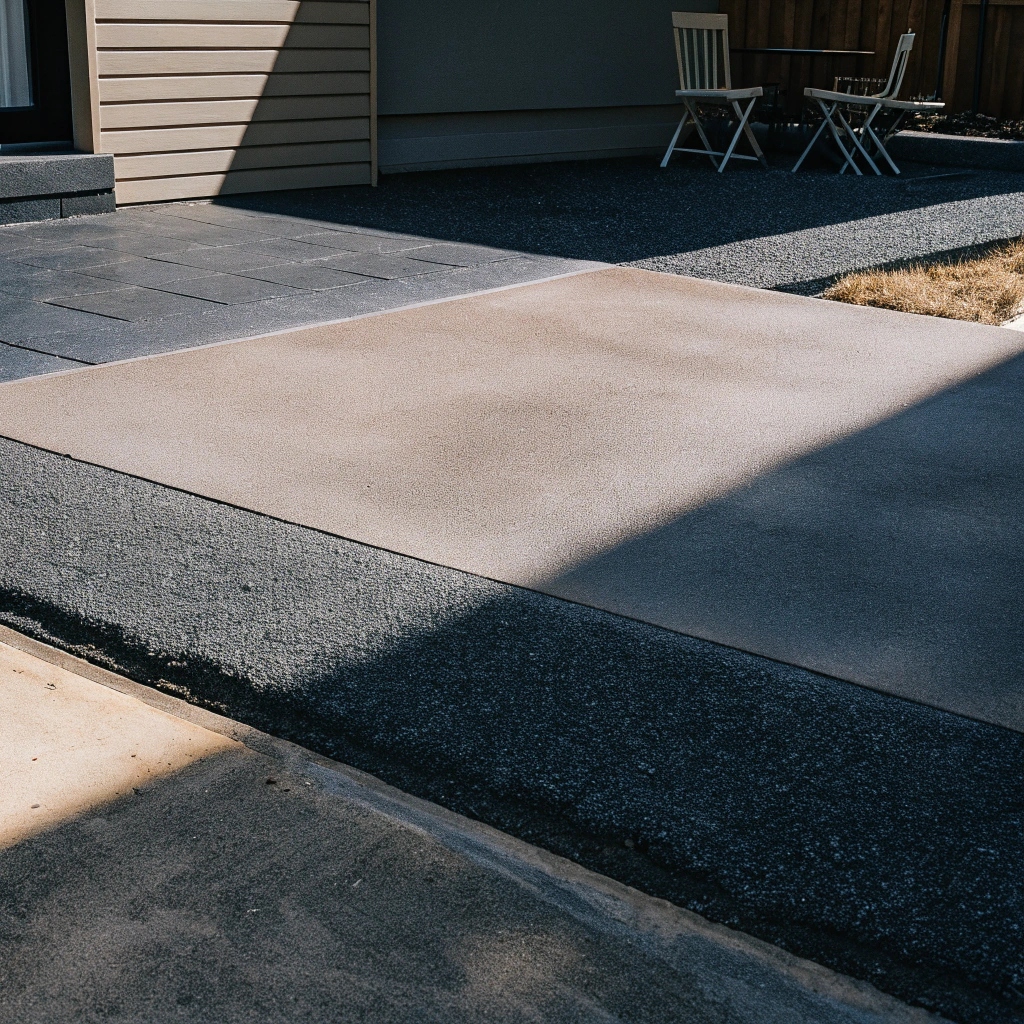
We start with a full inspection of your existing driveway, checking its size, concrete thickness, reinforcement, and access conditions to determine the right approach. We measure the area—typically 10–70 sqm in Hobart—and note the thickness, which can range from 75mm to 150mm. Before any work begins, we locate underground services like water, gas, power, NBN, and stormwater to ensure safe removal.
We also assess site access to see if machinery can fit or if smaller equipment is needed. Finally, we consider your neighbours by notifying them when work will be happening and keeping noise within reasonable hours.
Working on Hobart Properties
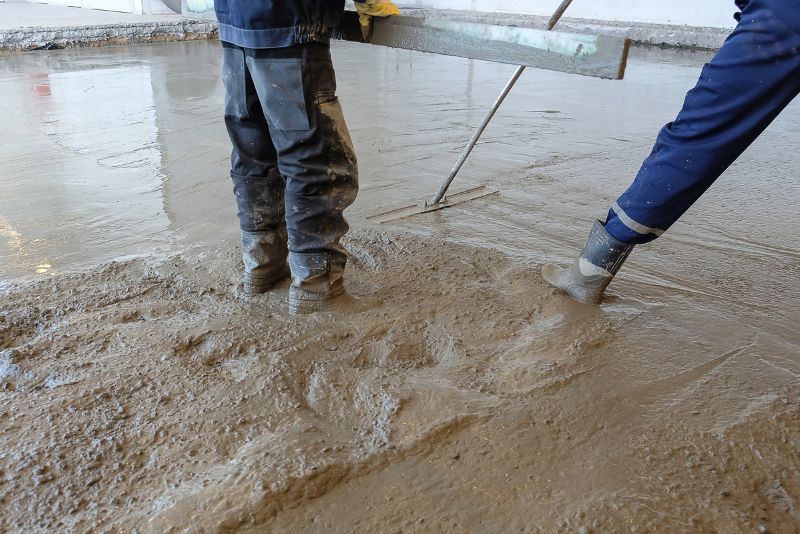
Hobart homes often come with unique challenges, especially in older suburbs where access is tight and side driveways can be as narrow as 2.5 meters. In some cases, equipment must operate from the street due to limited access. Many driveways are also sloped, requiring extra safety measures and careful handling of materials.
Heritage areas like Battery Point or North Hobart may involve protecting surrounding historic features. During driveway removal, homeowners will need to park on the street temporarily, and vehicle access to the property will be restricted while work is underway.
Preparing Your Property After Removal
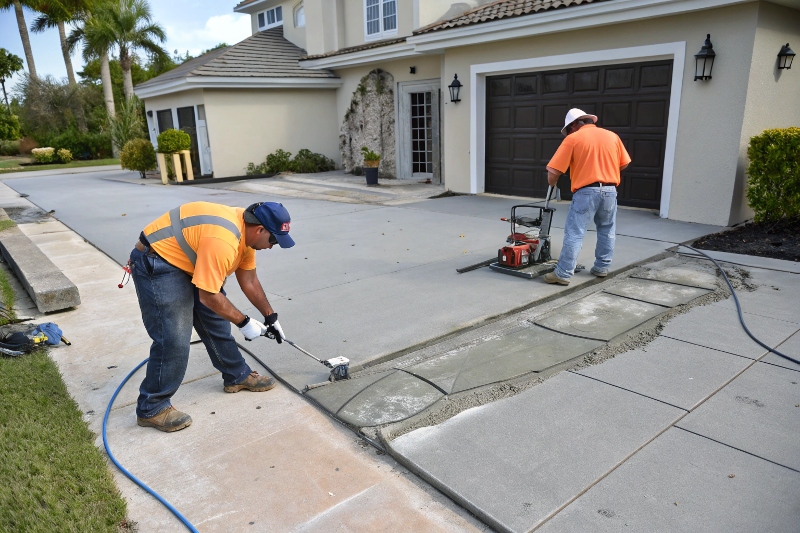
Excavation to Required Depth: After the old concrete is removed, the area is excavated further—usually 150–200mm—to allow for the proper base needed for a new driveway.
Removal of Old Base Material: If the existing base is damaged, clay-contaminated, or not draining well, it’s removed and replaced with fresh crushed rock to prevent future issues.
Grading and Leveling: The base is graded so water drains correctly, typically toward the street or a drainage point. Laser levels ensure accurate fall for proper runoff.
Compaction and New Base: New base material is added and compacted in layers using a roller or plate compactor. This prevents future sinking and ensures a stable foundation.
Ready for New Installation: Once the surface is prepared, it’s ready for formwork and concrete. Most clients schedule the new driveway installation a few days later after final level checks.
FAQs About Concrete Services Kingston TAS
Timeline and Scheduling
Driveway removal timelines vary depending on the size and complexity of the job. Small single driveways typically take one day, with the team arriving in the morning, breaking up and removing the concrete, and finishing cleanup by mid-afternoon. Larger or double driveways may take two to three days, especially if the concrete is thick or access is limited, and a clear timeline is provided during quoting. Weather also plays a role—light rain is manageable, but heavy rain can delay work and require rescheduling. Throughout the process, the goal is to maintain minimal disruption, often allowing pedestrian access even when vehicles can’t get through. Because driveway removal and concreting are in high demand during summer, booking a few weeks in advance is recommended, while winter tends to be quieter but more weather-dependent.
Equipment and Access Requirements
Driveway removal relies on the right equipment and proper access. We typically use a 5–13 tonne excavator with a hydraulic breaker to efficiently break concrete, often supported by a maneuverable bobcat for moving debris in tighter areas. Tip trucks (6–10 tonne) are used for hauling material, requiring enough street space for reversing and dumping. Minimum access widths matter—3 meters for an excavator and 2.5 meters for a bobcat; anything narrower requires hand tools like jackhammers and wheelbarrows, which increases labour time. We also assess street conditions, including parking, turning space, and overhead power lines, to ensure safe access. When access is extremely limited, we adapt using manual methods to complete the job effectively.
Getting Ready for Your New Driveway
Getting your old driveway fully removed prepares your property for a stronger, longer-lasting new installation. A complete removal allows contractors to rebuild on a proper base, fix long-standing drainage issues, and regrade the ground as needed. It also gives you the opportunity to redesign your driveway—whether you want it wider, longer, or better aligned for easier access.
With the old concrete gone, you can upgrade to modern finishes like exposed aggregate, coloured concrete, or decorative patterns for a more attractive look. While it requires an upfront investment, a properly built new driveway can last 30–40 years, boost curb appeal, and increase your property’s value for the long term.
FAQs About Driveway Removal in Hobart
Can you remove a driveway during Hobart's winter months?
Yes, we work through winter, though we do keep an eye on the weather forecast. Breaking up concrete isn’t affected by cold or light rain, but heavy downpours make the site messy and loading becomes difficult. We’ll usually reschedule if there’s a week of solid rain predicted, which happens occasionally in Hobart’s winter. Best months are October through April, but we’re not sitting idle through winter if conditions are reasonable.
Do I need council approval to remove my driveway in Hobart?
You don’t need council approval just to remove your driveway. However, if you’re planning to install a new driveway or change the crossover where it meets the street, that’s when council approval comes in. The Hobart City Council and Clarence City Council have specific requirements for crossovers, including width, materials, and drainage. We can guide you through what’s needed for your area.
Will the removal work damage my garden beds or lawn?
We do our best to protect your property, but there’s always some impact when heavy equipment’s involved. If we’re bringing an excavator down the side of your house, we’ll lay boards or mats to protect your lawn where possible. Garden beds right along the driveway edge might get dusty or need a bit of tidying after we’re done. Most homeowners in Sandy Bay and Battery Point just factor in a small garden cleanup as part of the project.
What if you find asbestos in my old driveway?
Asbestos in driveways is rare—it’s usually found in house materials, not concrete. If we did find asbestos, we’d stop work immediately and bring in licensed asbestos removers. This adds cost and time, but it’s not something you can ignore. In forty-plus years of combined experience removing driveways around Hobart, we’ve only encountered this twice.
Can I keep some of the broken concrete for my garden?
Absolutely. Some homeowners in Mount Nelson and Kingston Beach want pieces for retaining walls, garden edging, or rockeries. Just let us know before we start, and we’ll set aside whatever you want in a spot you specify. We’ve had people keep quite a bit—one bloke in Taroona took about two cubic meters for a bush rock style wall he was building.
How long after removal until I can get a new driveway poured?
Usually a few days to a week. We need time to properly prepare the base—excavate deeper if needed, lay fresh crushed rock, compact it properly, and get the levels right. Then we install formwork, which takes another day. In Hobart’s wet months, we might wait for drier weather before pouring concrete. Rush jobs don’t lead to quality driveways that last decades.
