
Reliable Concrete Delivery Services in Hobart
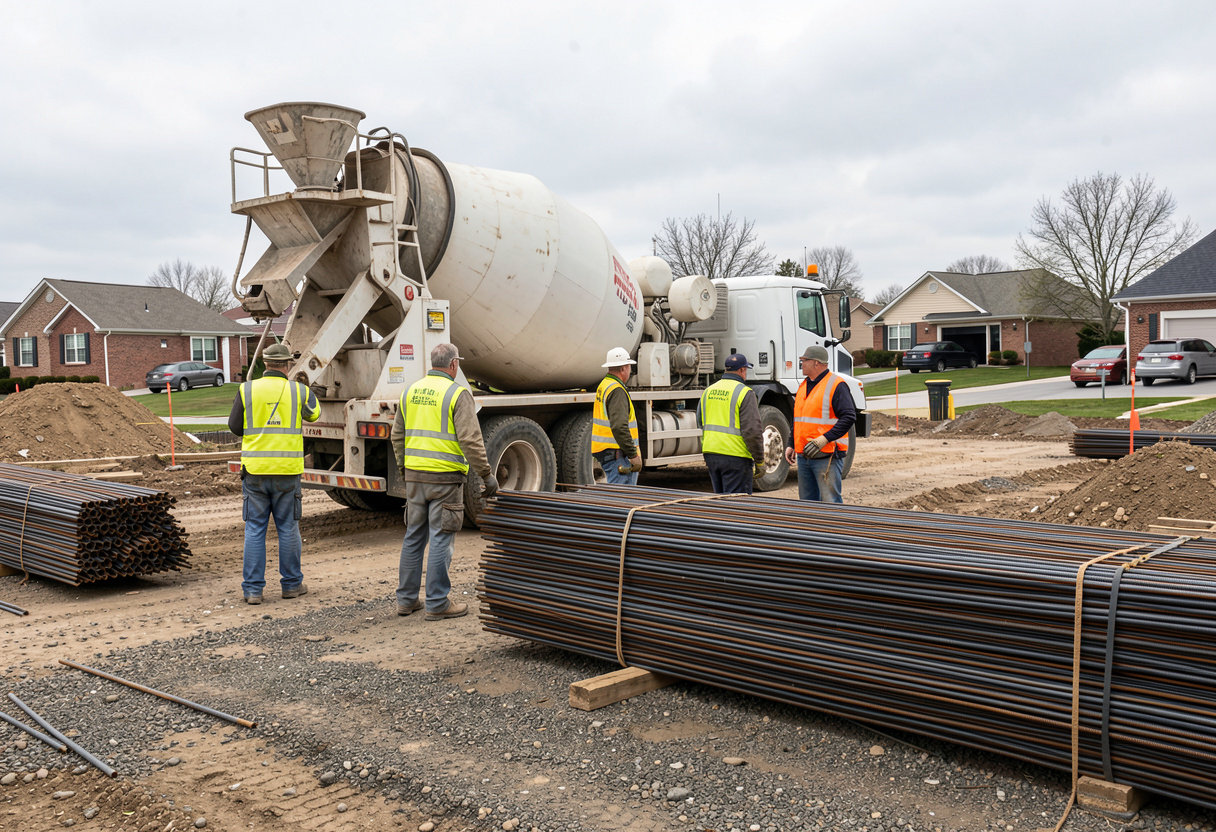
Getting concrete to your site in Hobart isn’t always as simple as making a phone call. We’ve been doing concrete delivery across Greater Hobart for years now, and there’s a lot more to it than just showing up with a truck. Whether you’re tackling a driveway in Sandy Bay with barely enough room to squeeze a truck through, or you’re managing a commercial pour in the CBD where timing’s everything, we know exactly what you’re dealing with.
The reality is, between Hobart’s narrow driveways, sloping properties, and weather that can change in an hour, getting ready-mix concrete delivered properly takes local knowledge and experience. We supply residential and commercial projects throughout Greater Hobart and surrounding areas, handling everything from small 1-cubic-metre loads for footings right through to coordinating multiple trucks for large slabs. Our professional drivers know these streets, understand the access challenges, and we’ll work with you to make sure your pour happens when you need it.

Delivery Services We Offer
Where We Deliver Concrete in Hobart
Greater Hobart and Surrounding Suburbs
We cover all of Greater Hobart and the surrounding areas. From the city centre out to the newer developments, if you’re within reasonable distance of Hobart, we can get concrete to you. Distance affects pricing, but we’ll give you honest numbers upfront.
CBD and Inner-City Locations
City pours come with their own challenges – traffic, parking restrictions, tight access. We’ve been delivering to CBD sites for years and know how to work around these issues. Early morning deliveries often work best before traffic builds up and parking becomes impossible.
Hillside Suburbs
Mount Nelson, West Hobart, Sandy Bay – these hillside suburbs are beautiful but they weren’t designed with concrete trucks in mind. Steep driveways, narrow streets, tight corners. We’ve delivered to hundreds of hillside properties and we’ll assess your access before booking to make sure we can get there safely.
Northern Areas
Glenorchy, Claremont, Moonah and the northern suburbs are straightforward for us. Generally better access than some of the older hillside areas, though every site’s different. We know these areas well and deliver there regularly for both residential and commercial projects throughout the region.
Southern Regions
Kingston, Blackmans Bay, Taroona – the southern areas are growing fast with new developments and renovations. We’re down there regularly. The newer estates usually have good access, while some of the older established areas can be trickier, but we’ll work it out.
Eastern Shore Communities
We cross the bridge for eastern shore deliveries. Might be a bit further from our plant, which affects pricing slightly, but we service these communities regularly. If you’re on the eastern shore and need concrete delivered, we’ll get it to you with the same reliability as anywhere else.
Understanding Access Requirements
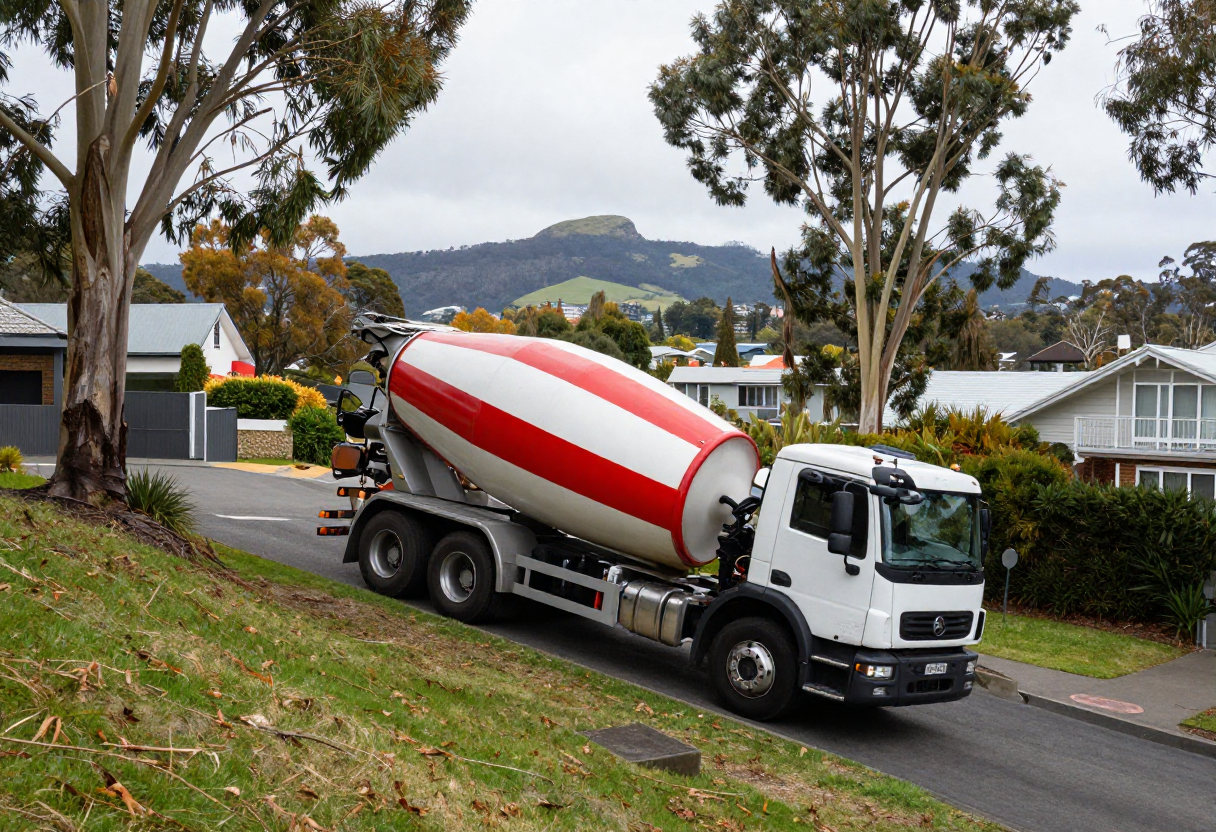
Truck Width & Clearance: Standard trucks need about 3m width and roughly 4m overhead clearance to access your site safely.
Driveway Slope & Ground Stability: Steep driveways and unstable ground can be an issue—loaded trucks are heavy and must be able to stop, maneuver, and exit safely.
Distance to Pour Location: Truck chutes reach about 3–4m from where the truck parks. Anything beyond this needs wheelbarrows or a concrete pump.
Pump Requirements: Pumps are necessary for long distances, elevated pours, or when concrete must go over or around obstacles.
Early Assessment Matters: Sharing accurate access details upfront helps avoid delays and ensures the right delivery method is planned.
Hobart-Specific Site Challenges
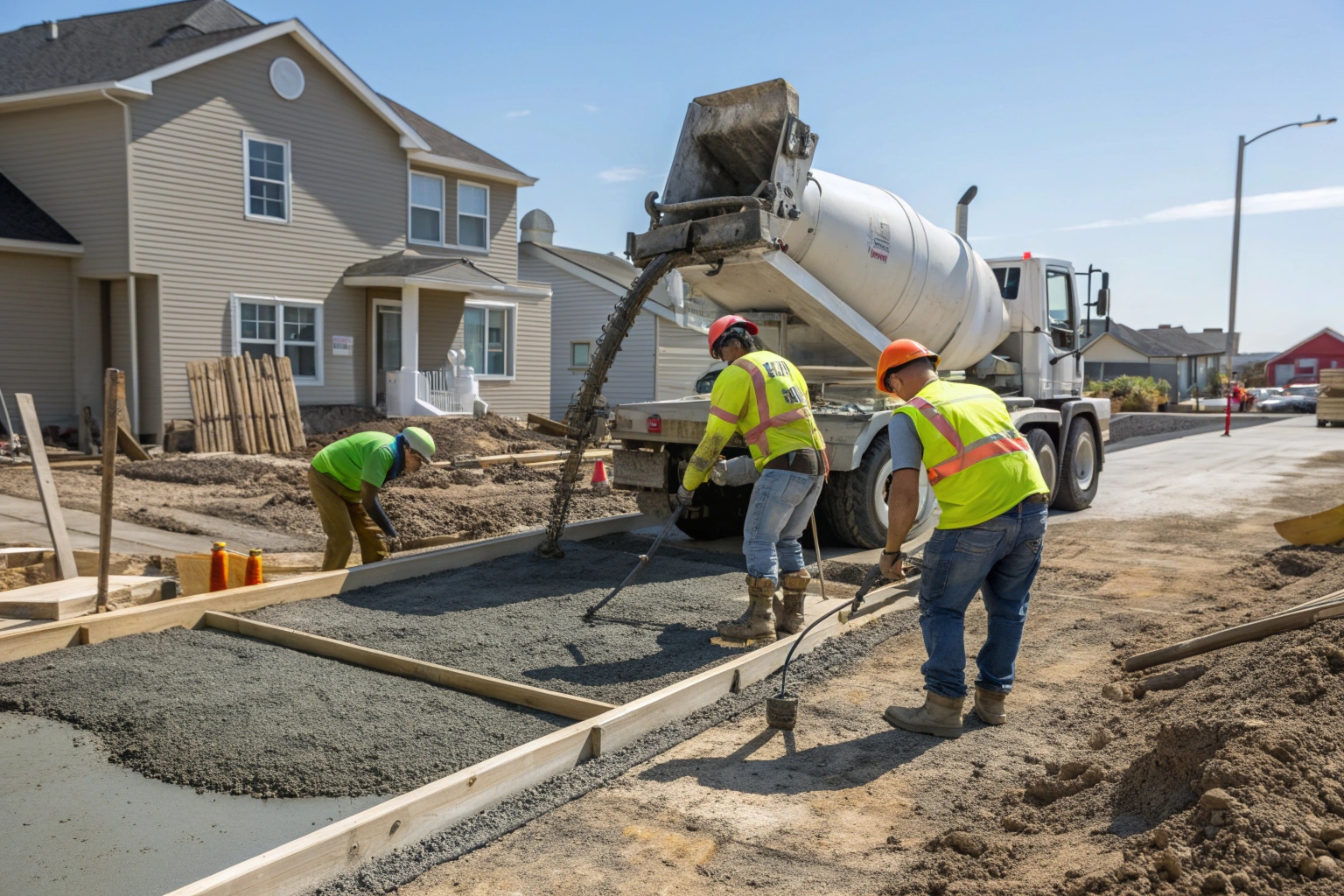
Tight Access in Older Suburbs: Narrow streets and close-set homes in established areas need extra planning for concrete delivery.
Narrow Driveways & Steep Slopes: Older single-width driveways and hillside properties can limit truck access and may require pumps or careful positioning.
Heritage Area Restrictions: Zones like Battery Point often have access limits, permits, and timing rules that add planning time.
Street Parking & Neighbors: Clear parking space is essential—coordination with neighbors or council permits may be needed.
Alternative Delivery Solutions: When trucks can’t access the site, pumps, wheelbarrows, or crane pours are used to get the job done.
Site Assessments: Professional access checks help identify issues early, saving time, cost, and stress on pour day.
Concrete Pump Services
Boom Pumps: Reach over buildings, obstacles, and upper levels to place concrete in hard-to-access areas.
Line Pumps: Lower-cost option for moving concrete long distances or around corners using flexible hoses.
Access Over Obstacles: Pumps allow delivery over fences, structures, or tight areas where trucks can’t reach.
Reach Capabilities: Boom pumps typically cover 20–30+ metres; suitable for most residential and some commercial jobs.
Restricted Access Solution: Ideal when trucks can park nearby but can’t pour directly due to space or clearance limits.
Cost Considerations: Pumps add extra cost, but are often the only practical way to complete difficult pours.
Professional Operators: Experienced pump operators ensure smooth flow, prevent blockages, and deliver quality concrete.
Weather Considerations for Hobart
Weather plays a major role in concrete pours, with rain being the biggest cause of delays, as steady rain damages finish quality and strength. Cold winter temperatures slow curing and may require protective measures, while hot summer conditions cause concrete to set too quickly, making finishing harder—often managed with adjusted mixes and earlier pours.
Wind can dry surfaces too fast and affect finish quality, sometimes requiring rescheduling. Given Hobart’s unpredictable weather, forecasts are closely monitored and pours are flexibly rescheduled when needed. Concrete mixes are adjusted to suit temperatures, ensuring proper placement, curing, and a quality final result.
Order Volumes and Minimums
Concrete suppliers usually have a minimum order of around 1 cubic metre, with small jobs often incurring a minimum delivery charge. Small residential pours (1–3 m³) like footings, paths, and repairs are handled with the same care as larger projects.
Driveways typically require 3–6 m³, depending on width and thickness, while house slabs generally need 15–30+ m³, requiring multiple trucks and careful scheduling. Large commercial projects can involve hundreds of cubic metres and demand detailed planning, staging, and coordination.
For bigger pours, proper truck staging is essential to avoid cold joints or overload. If volume calculations are uncertain, assistance is provided to determine the correct amount—factoring in dimensions, depth, and a buffer to prevent shortages.
FAQs About Concrete Delivery in Hobart
What happens if I order too much or too little concrete?
If you’ve got leftover concrete, we can’t take it back – once it’s off the truck, it’s yours. Most contractors will use extras for stepping stones or garden edging rather than waste it. If you run short mid-pour, that’s trickier – we can rush another load, but you’ll likely get a cold joint where the two pours meet, which weakens the slab. I always recommend ordering 5-10% extra rather than running short, especially with Hobart’s variable weather potentially affecting your pour rate.
Can I cancel or reschedule my concrete delivery if weather turns bad?
Yeah, weather cancellations happen all the time in Hobart – we get it. Give us as much notice as possible, ideally the afternoon before if you’re watching a dodgy forecast develop. We don’t charge cancellation fees for genuine weather concerns, but we do need reasonable notice since we’ve scheduled trucks and batched your mix. Morning-of cancellations are tough because we’ve likely already started preparing your concrete, but we’ll work with you – your pour succeeding matters more than sticking to schedule in bad conditions.
Do you deliver concrete on weekends and public holidays?
We deliver weekends – Saturday’s busy for us with homeowner jobs, Sunday’s available but costs a bit extra. Public holidays are generally no-go unless it’s a major commercial project that’s been planned months ahead with premium rates. Most Hobart concrete suppliers shut down public holidays because it’s not worth running the plant for just a few jobs. Book around public holidays if you can, or expect to wait until the next working day.
What if the concrete truck damages my driveway or property?
Our drivers are careful and experienced, but heavy trucks on residential properties carry some risk, especially on older driveways or soft ground. We’re fully insured for property damage – if our truck causes damage, document it with photos immediately and contact us. That said, if your driveway’s already cracked or on soft fill, mention this when booking so we can assess whether it’ll handle the weight or if we should pump from the street instead.
Can I pour concrete myself or do I need a licensed concreter in Hobart?
You can definitely pour your own concrete as a homeowner – no license required for work on your own place. But concrete’s harder than it looks, especially finishing it properly before it goes off. For simple things like small paths or stepping stones, go for it. For driveways, slabs, or anything structural, I’d seriously consider hiring a professional concreter – they’ve got the crew, tools, and experience to handle larger pours properly, and mistakes are expensive to fix.
How do I know if the concrete delivered is the right mix I ordered?
Every load comes with a delivery docket showing exactly what mix was batched – strength grade, slump, any additives. Read that docket when the truck arrives and check it matches what you ordered. If something looks wrong – concrete seems too wet, too dry, or different colour than expected – mention it to the driver immediately before you start pouring. We can do a slump test on site if you want verification, though most Hobart residential jobs don’t need formal testing unless your building inspector requires it.
